
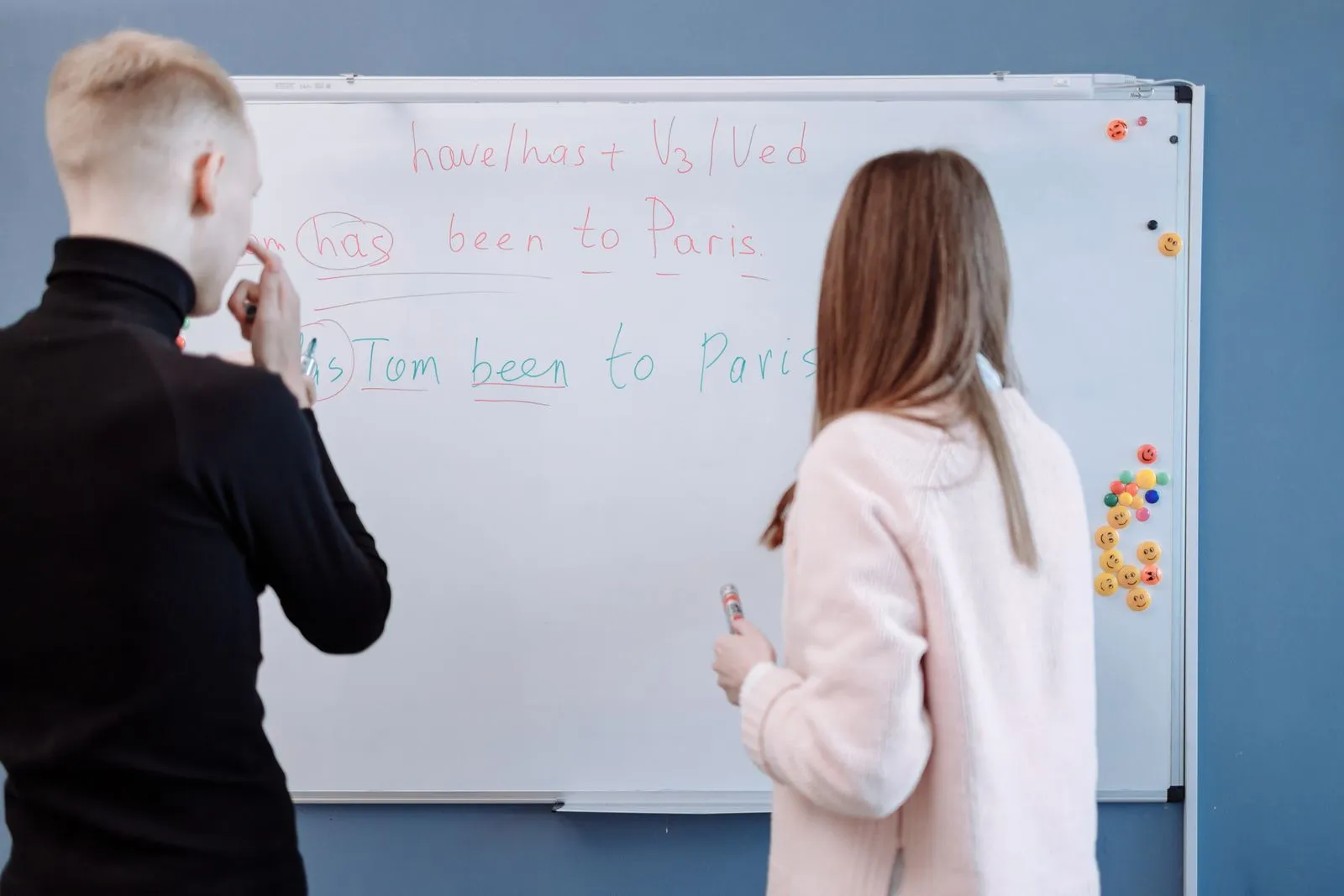
Walking into a language class for the first time can feel exciting—and a little uncertain. You might wonder whether you’ll be tested, how much you’ll need to speak, or what happens if you make a mistake. Most first classes are designed to help you settle in, meet your teacher and classmates, and get a feel for the learning style. Knowing the usual steps can help you arrive relaxed and ready to try.
Finding your starting level
Your teacher may begin with a short placement activity to understand what you already know. This could be a brief conversation, a written exercise, or a few questions about your learning goals. It is not a pass-or-fail exam. Its purpose is to help the teacher choose a suitable level and identify skills you want to build.
Answer as honestly as you can, even if you only know a few words. If a question feels difficult, say so rather than guessing your way through it. Share whether you have studied the language before and what you hope to use it for, such as travel, work, study, or everyday conversation.
Meeting your class
Introductions are usually simple and guided. Your teacher might ask everyone to share their name, what brought them to class, or one thing they hope to learn. You may introduce yourself in the language you are studying, in English, or with a little help from the teacher, depending on the group’s level.
Listen for classmates’ names and goals, but don’t worry about remembering every detail right away. A friendly introduction helps everyone feel included and gives you an early chance to practice listening and speaking. If you feel nervous, prepare one or two short sentences before class and keep them handy.
Trying classroom activities
Expect a mix of activities rather than a long lecture. You might practice greetings, match words with pictures, listen to a short dialogue, or work with a partner on a basic conversation. The teacher may explain instructions in English at first, then use more of the target language as the class progresses.
Join in even when you are unsure. Speaking slowly, using a gesture, or asking a partner for help are all useful ways to communicate. Mistakes are part of practice, not a reason to stop. Pay attention to which activities feel comfortable and which ones challenge you; that information can help your teacher support your learning.
Asking questions and preparing
Questions help you get more from class, and you do not need to wait until you understand everything. Ask for an instruction to be repeated, a word to be explained, or an example of how to use a phrase. If speaking up in front of the group feels daunting, write your question down or ask the teacher during a break.
Before your first session, check where to go, what materials to bring, and whether you need to complete any level check. A notebook and pen are often useful; your school may also recommend a textbook or digital resource. Arrive with one clear learning goal and an open mind. You can adjust your goal as you discover what the class covers.
A first language class is a chance to find your level, meet other learners, and start practicing in a supportive setting. You do not need to know everything before you arrive—curiosity and a willingness to participate are enough. Choose one small goal for your first session, and contact Bright Sydney Languages if you’d like help finding a class that suits you.